
15 Sensory Play Ideas You Can Do at Home This Winter
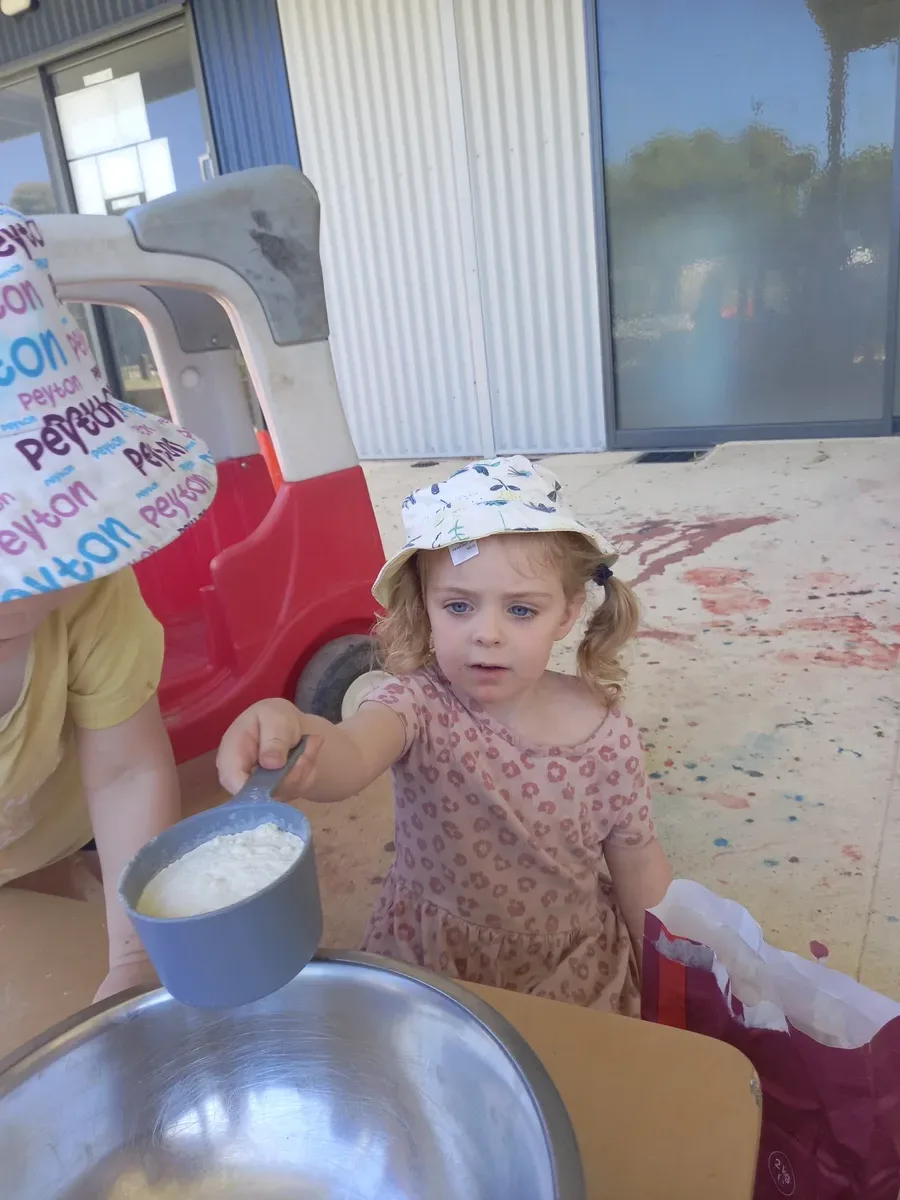
15 Sensory Play Ideas You Can Do at Home This Winter
Reading time: 7 minutes
Perth winters may be mild compared to the rest of the country, but a cold, rainy July afternoon with a restless toddler can feel endless. If you are looking for sensory play ideas that will keep your little ones engaged, learning, and happy without leaving the house, this list is for you. Every activity uses items you probably already have at home, requires minimal setup, and delivers maximum play value.
Sensory play is not just about keeping kids busy. It supports brain development, fine motor skills, language, and emotional regulation. At Sonas Woodbridge, our STEM Studio and Arts Studio are filled with sensory experiences every day — and these ideas bring that same philosophy into your kitchen, lounge room, or backyard.
What Is Sensory Play and Why Does It Matter?
Sensory play is any activity that stimulates one or more of a child's senses — touch, sight, sound, smell, and taste. Research from the Australian Early Childhood Education and Care sector consistently shows that sensory-rich experiences build neural pathways, develop fine and gross motor skills, and support language development.
For toddlers and preschoolers, sensory play also helps with self-regulation. The calming effect of activities like water play or playdough is well documented, and many educators use sensory bins as a tool for helping children manage big emotions.
15 Winter Sensory Play Ideas
1. Rainbow Rice Sensory Bin
Mix dry rice with a few drops of food colouring and vinegar in a zip-lock bag, shake well, and spread on a tray to dry. Fill a container with the coloured rice and add scoops, cups, funnels, and small toys. This is an absolute classic that children never tire of.
2. Warm Water Transfer Station
Fill one bowl with warm water and provide cups, spoons, sponges, and a second empty bowl. Toddlers love the feeling of warm water on a cold day, and the pouring and squeezing builds fine motor strength.
3. Cloud Dough
Mix eight cups of plain flour with one cup of vegetable oil. The result is a soft, mouldable dough that feels like a cross between sand and playdough. Add measuring cups and cookie cutters for extra play.
4. Shaving Cream Painting
Squirt shaving cream on a tray and let children draw, swirl, and write in it. Add a few drops of food colouring for a marbled effect. For toddlers, this is a wonderful pre-writing activity.
5. Frozen Treasure Rescue
Freeze small toys, leaves, or flowers in a container of water overnight. Give your child warm water in a squeeze bottle, spoons, and salt to "rescue" the treasures. This teaches patience, problem-solving, and cause-and-effect.
6. Playdough with Natural Add-ins
Make a batch of homemade playdough (flour, salt, water, oil, cream of tartar) and add dried lavender, cinnamon sticks, gum nuts, or small pebbles. The natural textures and scents add a whole new sensory dimension.
7. Oobleck (Cornflour Slime)
Mix two parts cornflour with one part water. The result is a non-Newtonian fluid that behaves like a solid when squeezed and a liquid when released. Children are fascinated by this, and it is completely safe and washable.
8. Pasta Threading
Cook and cool some spaghetti. Give your child chunky pasta tubes (penne or rigatoni) and let them thread the tubes onto the spaghetti strands. This is brilliant for fine motor development and concentration.
9. Mud Kitchen Play
Perth's winter rain means muddy backyards — embrace it. Set up pots, pans, spoons, and bowls near a patch of mud and let children "cook." Mud play is one of the most beneficial sensory experiences for young children, supporting immune health, creativity, and physical development.
10. Sound Shakers
Fill small containers (empty spice jars work well) with different materials — rice, lentils, bells, sand, buttons. Seal them tightly and let children shake, listen, and sort by sound. This develops auditory discrimination and early science skills.
11. Jelly Excavation
Make a large tray of jelly (use sugar-free if preferred) and hide small toys or letters inside. Children dig through the jelly to find the treasures. The wobbly, squishy texture is irresistible, and it is a wonderful fine motor workout.
12. Nature Collage
Collect leaves, sticks, flowers, and bark on a rainy-day walk, then bring them home to glue onto paper or cardboard. Talk about textures, colours, and where each item came from. This connects children to the natural world even on cold days.
13. Fabric and Texture Box
Fill a box or basket with items of different textures — silk scarf, sandpaper, cotton ball, sponge, foil, velvet fabric, a pinecone. Blindfold older children and have them guess what they are touching, or simply let toddlers explore freely.
14. Bath Paint
Mix equal parts shaving cream and cornflour, divide into cups, and add food colouring. Children paint the bath walls and tiles, then rinse it all away at bath time. Creative, sensory, and self-cleaning.
15. Cosy Book and Scent Station
Set up a reading corner with cushions, blankets, and a few scented items — a cinnamon stick, a sprig of rosemary, an orange peel, a lavender sachet. Read a book together and pass around the scents. This is a calming, multi-sensory experience perfect for winding down on a winter afternoon.
Tips for Sensory Play Success
- Embrace the mess. Lay down a shower curtain or old sheet for easy cleanup. The mess is part of the learning.
- Follow your child's lead. If they want to mix all the activities together, let them. The process matters more than the product.
- Supervise closely. Many sensory materials are not safe if eaten in large quantities. Stay close, especially with children under three.
- Rotate activities. Introduce one or two new ideas each week rather than overwhelming with options.
How Sonas Woodbridge Brings Sensory Play to Life
At Sonas Woodbridge, sensory play is embedded across every age group and learning studio. Our Nestlings and Swaylings enjoy gentle sensory experiences like water play, textured mats, and soft music. Our Explorers and Pathfinders dive into messy play, mud kitchens, and STEM-based sensory investigations in our purpose-built studios. The Zen studio offers calming sensory experiences for children who need a quieter space.
Our play-based learning philosophy means that every activity is designed around what your child is curious about, not a rigid worksheet-based curriculum.
Key Takeaways
- Sensory play builds neural pathways, fine motor skills, language, and emotional regulation
- You do not need expensive toys — rice, flour, water, and nature are the best sensory materials
- Perth winters are perfect for both indoor sensory bins and outdoor mud play
- Embrace the mess, follow your child's lead, and keep it simple
- Rotate one or two new activities each week for ongoing engagement
Ready to see play-based learning in action? Book a tour at Sonas Woodbridge or call us on (08) 6184 6055.
See play-based learning in action
Book a free tour at any of our 4 Perth centres.