
NAIDOC Week — Celebrating First Nations Culture with Children
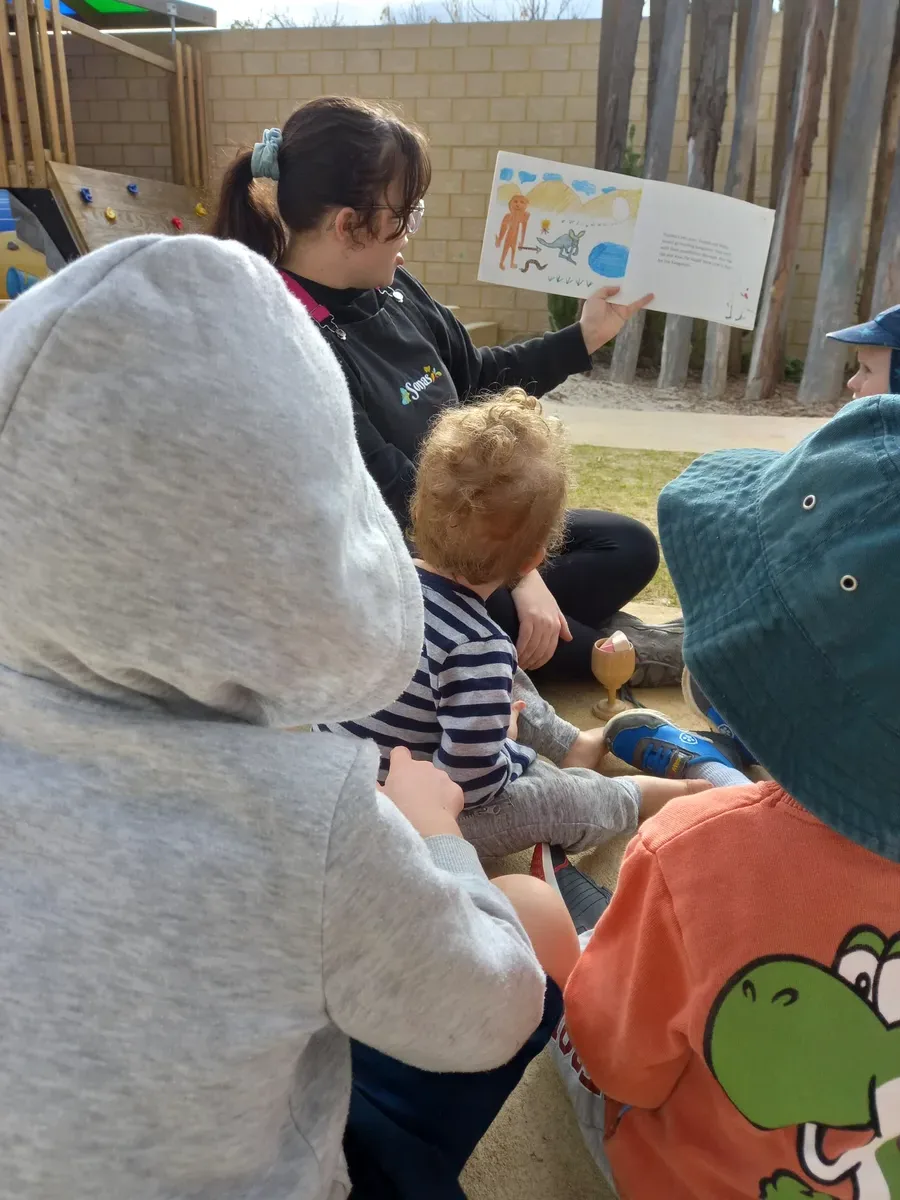
NAIDOC Week: Celebrating First Nations Culture with Children
Reading time: 6 minutes
NAIDOC Week 2026 (5-12 July) is one of the most meaningful weeks on Australia's calendar, and it is never too early to begin sharing First Nations culture with children. If you are a Perth parent wondering how to introduce your little ones to Aboriginal and Torres Strait Islander history, stories, and art, you are already taking a wonderful first step. Celebrating NAIDOC Week with children helps build respect, empathy, and a genuine connection to the oldest living culture on earth.
At Sonas Woodbridge, we believe cultural learning is not a single-week event — it is woven into everything we do. But NAIDOC Week gives us a special opportunity to go deeper, and we want to share some of those ideas with you.
What Is NAIDOC Week and Why Does It Matter for Young Children?
NAIDOC stands for National Aborigines and Islanders Day Observance Committee. Each year, a new theme invites all Australians to celebrate the history, culture, and achievements of Aboriginal and Torres Strait Islander peoples. For young children, NAIDOC Week is a chance to develop cultural awareness at an age when minds are most open and curious.
Research from the Australian Institute of Family Studies shows that children begin to notice racial and cultural differences from as young as two years old. Introducing First Nations perspectives early helps children grow into respectful, culturally competent people — something the Early Years Learning Framework (EYLF) specifically prioritises under Outcome 2: Children are connected with and contribute to their world.
Age-Appropriate Ways to Celebrate NAIDOC Week at Home
1. Read First Nations Stories Together
Picture books are one of the most powerful ways to share culture with young children. Look for books written and illustrated by Aboriginal and Torres Strait Islander authors. Some favourites include:
- Welcome to Country by Aunty Joy Murphy and Lisa Kennedy
- Ernie Dances to the Didgeridoo by Alison Lester
- The Rabbits by John Marsden and Shaun Tan
- Sorry Day by Coral Vass
- Somebody's Land by Adam Goodes and Ellie Laing
Your local Midland or Guildford library will often have NAIDOC Week displays with curated selections for children.
2. Explore Aboriginal Art
Dot painting is perhaps the most recognised Aboriginal art style, and young children love it. Set up a painting station with cotton buds, earth-toned paints (ochres, browns, reds, yellows), and paper. Talk about how Aboriginal artists use symbols to tell stories about Country.
Important note: explain to children that they are learning about and being inspired by Aboriginal art, not copying sacred designs. This distinction matters and teaches respect from the start.
3. Listen to Aboriginal Music and Language
Play didgeridoo music during quiet time. Learn a few Noongar words together — Noongar is the language of the traditional custodians of the Perth region. Simple words to start with:
- Kaya — hello
- Moort — family
- Boodja — Country/land
- Djoorabiny — happy
The Noongar Season Calendar is also a wonderful teaching tool. Unlike the four European seasons, Noongar people recognise six seasons based on what the land, plants, and animals are doing. In July, we are in Makuru — the coldest, wettest time, when the land rests and renews.
4. Get Outside and Connect with Country
Take a bush walk in one of the beautiful reserves near Woodbridge — the Jane Brook Walk Trail or Bells Rapids are both wonderful options. Talk about how Aboriginal people have cared for this land for over 65,000 years. Notice the plants, the birds, the way the river moves. This is Country.
5. Attend a Local NAIDOC Event
Perth hosts a range of NAIDOC Week events suitable for families. Check the City of Swan website and the official NAIDOC website for free community events in the eastern suburbs. Midland, Guildford, and the Swan Valley often host Welcome to Country ceremonies, storytelling sessions, and art workshops during the week.
How Sonas Woodbridge Celebrates NAIDOC Week
At Sonas Woodbridge, NAIDOC Week is embedded in our programming across all age groups. Our Explorers and Pathfinders take part in storytelling sessions, art projects inspired by Aboriginal symbols, and sensory play using natural materials from the Australian bush. In The Garden studio, children explore native plants and learn about Noongar seasons through hands-on experience.
But our commitment goes beyond one week. Our educators integrate Aboriginal perspectives throughout the year — through music, language, stories, and a deep respect for the land on which our centre stands. We acknowledge the Whadjuk Noongar people as the traditional custodians of this land every day.
A Note on Respectful Engagement
When celebrating NAIDOC Week with children, it helps to keep a few things in mind:
- Centre First Nations voices. Choose books, music, and art by Aboriginal and Torres Strait Islander creators wherever possible.
- Avoid stereotypes. Aboriginal culture is not costumes or caricatures. Focus on real stories, real art, and real people.
- Use it as a starting point. NAIDOC Week is not the only week to engage with First Nations culture. Let it spark an ongoing conversation.
- Be honest with children. If they ask questions you do not know the answer to, that is okay. Model curiosity and a willingness to learn.
Key Takeaways
- NAIDOC Week 2026 runs from 5-12 July and is a wonderful opportunity to introduce children to First Nations culture
- Children as young as two benefit from early cultural awareness and education
- Simple activities like reading Aboriginal picture books, painting with earth tones, learning Noongar words, and exploring Country are all powerful ways to celebrate
- Respectful engagement means centring First Nations voices and avoiding stereotypes
- Cultural education should continue all year round, not just during NAIDOC Week
Ready to see play-based learning in action? Book a tour at Sonas Woodbridge or call us on (08) 6184 6055.
See play-based learning in action
Book a free tour at any of our 4 Perth centres.