
National Children's Week — Why Every Child's Voice Matters
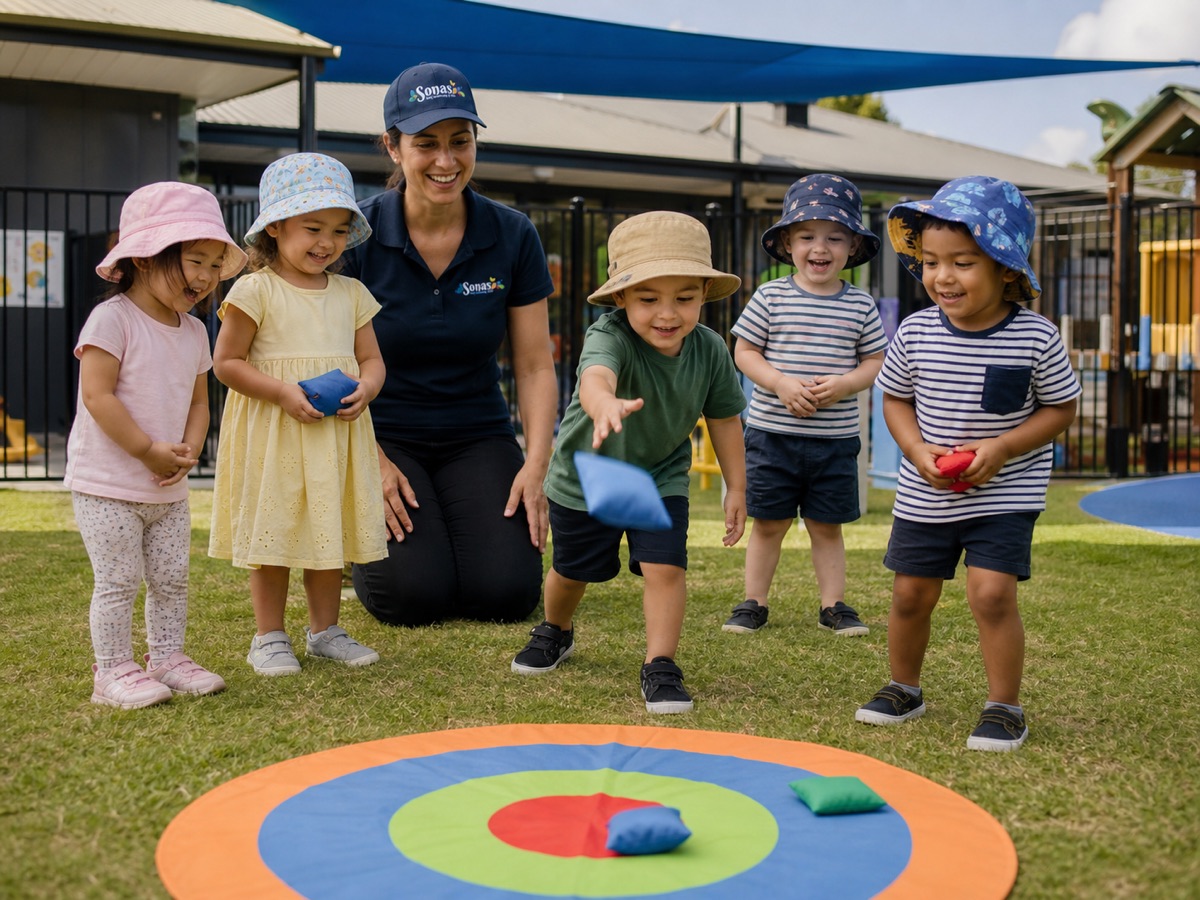
National Children's Week — Why Every Child's Voice Matters
Reading time: 6 minutes
National Children's Week is one of the most important weeks on the Australian early childhood calendar, and in 2026, it falls from 24 October to 1 November. It is a time when communities across Australia pause to recognise that every child deserves to be heard, valued, and included — regardless of their age, ability, or background.
At Sonas Woodbridge, we believe that children's voices matter every single day, not just during one special week. But National Children's Week gives us a wonderful opportunity to reflect on how we can do even better.
What Is National Children's Week?
National Children's Week has been celebrated in Australia since 1986. It is coordinated nationally by the Australian Child and Youth Wellbeing Alliance and celebrated through events in every state and territory.
The week aligns with Universal Children's Day (marked on different dates around the world) and draws on the United Nations Convention on the Rights of the Child (UNCRC), which Australia ratified in 1990. Article 12 of the UNCRC states that every child has the right to express their views and have them taken seriously.
Each year, a national theme is chosen. Regardless of the specific theme, the underlying message remains the same: children are active citizens whose voices, ideas, and experiences deserve respect.
Why Listening to Children Matters in Early Childhood
Research consistently shows that when children feel heard, their confidence grows, their emotional regulation improves, and their engagement with learning deepens.
A landmark study from the University of Melbourne found that children who participated in decision-making in early childhood settings demonstrated stronger social skills, greater resilience, and a deeper sense of belonging. These are not just nice outcomes — they are foundational life skills.
How Young Children Communicate Their Voice
Babies and toddlers cannot write a letter to their local MP, but they communicate powerfully through:
- Gestures and body language — pointing, reaching, turning away
- Facial expressions — joy, frustration, curiosity
- Play choices — what they gravitate toward tells us what matters to them
- Art and creative expression — drawings, paintings, and constructions
- Words and sounds — from babbling to full sentences
Listening to children means tuning into all of these channels, not just spoken words.
How Australian Childcare Supports Children's Voices
The Australian Early Years Learning Framework (EYLF V2.0) — the document that guides all approved early childhood services — explicitly supports children's agency and voice. Outcome 1 focuses on children having a strong sense of identity, including the right to make choices and influence their world.
The National Quality Standard (NQS) also evaluates how well services support children's participation in decisions about their own learning and daily routines.
This is not tokenistic. It means real, everyday practices like:
- Asking children what they would like to explore, not just directing activities
- Following children's interests in programming
- Including children in setting group agreements
- Offering genuine choices throughout the day — what to eat first, where to play, which book to read
How Sonas Woodbridge Celebrates Children's Voices
At Sonas Woodbridge, our "Freedom to Discover" philosophy is built on the belief that children are capable, competent learners who deserve agency over their own experiences.
Here is how that shows up in our daily practice:
In The Nest, our youngest learners communicate through sensory exploration. Our educators are trained to read and respond to the cues of babies, ensuring even our tiniest Nestlings feel heard and understood.
In The Arts Studio, children choose their own mediums, direct their own projects, and share their creations with peers. There is no "right" way to paint — only their way.
In The Garden, children help decide what to plant, when to water, and how to care for living things. Their choices have real consequences, and they learn responsibility through genuine participation.
In our family groupings, older children mentor younger ones and all children contribute to the culture of their group. This multi-age model mirrors real family life and gives every child a role and a voice.
During National Children's Week, we amplify these everyday practices with special events — art exhibitions, story-sharing circles, community displays, and family engagement activities that put children's perspectives front and centre.
5 Ways Perth Parents Can Celebrate at Home
-
Ask your child about their day — and really listen. Get down to their eye level, put your phone away, and follow up on what they tell you. Even toddlers notice when you are truly present.
-
Let them make a real decision. Not just "do you want the blue cup or the red cup" but something meaningful — what should we cook for dinner? Where should we go on the weekend? What should we name the plant?
-
Display their artwork prominently. Not hidden on the fridge behind magnets, but framed, hung at their eye level, and celebrated. It tells them their creativity matters.
-
Read books about children making a difference. Australian titles like The Invisible Boy by Trudy Ludwig or All Are Welcome by Alexandra Penfold are wonderful conversation starters.
-
Attend a local Children's Week event. The City of Swan typically hosts free community events during this period — check their website closer to the date.
Key Takeaways
- National Children's Week (24 Oct – 1 Nov 2026) celebrates every child's right to be heard
- The UNCRC and Australia's EYLF both enshrine children's voices as central to wellbeing
- Even babies communicate their preferences — listening means tuning into all forms of expression
- At Sonas Woodbridge, children's agency is embedded in daily practice through our play-based, child-led approach
- Parents can celebrate by truly listening, offering meaningful choices, and attending local events
Discover how we put children's voices at the heart of everything we do. Book a tour at Sonas Woodbridge or call (08) 6184 6055.
See play-based learning in action
Book a free tour at any of our 4 Perth centres.